Nail Fungus Treatment
Fast-Acting OTC Solution

Callus Removal | Everything You Need to Get Rid of Hard Skin for Good

Calluses do not form overnight. They build slowly, layer by layer, in response to repeated friction and pressure on the same spots. Such as heels, balls of the feet, sides of the toes. By the time they become visible and uncomfortable, they have been developing for weeks or months.

Shop the Collection
nail and sole foot soak
Anti-Fungal Foot Soak XL
5.0
Regular price €19,95
Imperial Feet stainless steel foot scraper with coarse surface for effective removal of calluses and dead skin.
Stainless Steel Foot File
5.0
Regular price €16,97
Imperial Feet Callus Softener with professional foot file for effective callus removal.
Premium Callus Repair Kit
5.0
Regular price €35,97
Imperial Feet Callus Softener bottle – effective treatment for hard skin and calluses.
Callus Softener Spray
Regular price €21,97
Cuticle Remover
Cuticle Softener
Regular price €21,97
imperial feet callus, callus softener, urea foot balm
Premium Callus Repair Kit XL
5.0
Regular price €52,97
Cracks & Callus Foot Soak XL
Wellness & Detox Foot Soak XL
urea foot balm and steel callus removal
Callus Cure Kit
5.0
Regular price €35,97

You've viewed 9 of 9 results

Where Do I Start? | Shop by Concern

Choose the right starting point based on your current callus care needs, whether you need a single tool or a complete routine.

01

Mild Calluses, Want Just the File

Stainless Steel Foot File. Professional dual-sided tool.

02

Need to Soften Before Filing

Callus Softener Spray. Urea + Salicylic Acid, works in 30–60 seconds.

03

Want to Soak Before Filing

Cracks & Callus Foot Soak XL. 15–20 min soak that softens hard skin.

04

File + Balm in One Kit

Callus Cure Kit. File + Urea Foot Balm.

05

Complete 3-Step Routine

Premium Callus Repair Kit. Softener + File + Urea Balm.

06

Complete 3-Step With XL Quantities

Premium Callus Repair Kit XL. Best callus remover for ongoing use.

Looking for Just the Filing Tool?

For individual professional filing tools, browse the Foot Files collection .

KIT COMPARISON GUIDE

Callus Remover Kit Comparison Guide | Which Callus Removal Kit Is Right for You?

Callus Cure Kit Premium Callus Repair Kit Premium Callus Repair Kit XL
Callus Softener Spray 75ml 150ml
Stainless Steel Foot File
Urea Foot Balm 150ml 150ml 150ml
Best For Simple file + balm routine Complete 3-step system Maximum quantity, best value per ml
Price Lowest kit price Mid Best callus remover for ongoing use
The Premium Callus Repair Kit XL is the most economical choice for anyone treating established calluses consistently. 150ml of both the Callus Softener and Urea Balm lasts significantly longer than the standard sizes.

Best Toenail Fungus Treatment: How to Choose by Stage

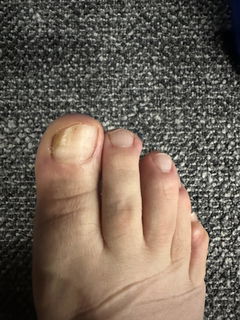
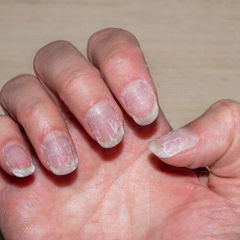
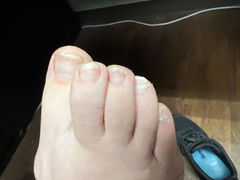
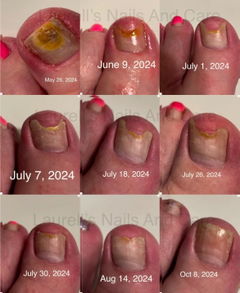
Your Stage What You're Seeing Best Starting Point
Mild White spot or yellow edge; nail not yet thickening Nail Mycosis Starter Kit - Solution + shoe spray to close both doors
Moderate 25–50% discoloured, beginning to thicken Fungal Nail Treatment Set XL - extended course with shoe spray
Severe 50%+ affected, thick, crumbling, or lifting Complete Nail Mycosis Care Kit - full system including skin balm for periungual protection
Nail + Skin Toenail fungus alongside athlete's foot Nail & Foot Fungus Care Kit - treats both simultaneously
During treatment Active treatment but want to cover nails Nail Mycosis Set XL - solution + shoe spray + breathable nail polish

Callus Remover for Feet Key Ingredients and Tools

Each part of the callus care routine has a specific job — softening, removing, smoothing, moisturising, and helping protect the skin between filing sessions.

Callus remover for feet ingredients and tools

Urea (Callus Softener Spray + Urea Foot Balm)

The gold standard keratolytic for hard skin. Urea dissolves the protein bonds between dead keratin cells, softening the callus from within so it files away cleanly rather than resisting every stroke. In the balm, it continues working between sessions, slowing how quickly new callus rebuilds.

Salicylic Acid (Callus Softener Spray)

A beta-hydroxy acid that lifts dead skin cells from the surface while enhancing Urea's penetration. The combination of both in the Callus Softener Spray is why 30–60 seconds is enough. Neither ingredient alone achieves the same speed.

Glycerin and Aloe Vera (Callus Softener Spray)

Hydrate and soothe the surrounding healthy skin during chemical softening so the treatment targets the callus without drying out the areas around it. Read more about the benefits of Aloe Vera in foot care .

Stainless Steel (Foot File)

Non-porous, autoclavable, and dual-sided. Coarse for active callus removal or hard skin remover for feet, fine for smoothing and polishing. Unlike pumice, which absorbs bacteria into its porous surface and degrades over time, stainless steel stays hygienic indefinitely and maintains its effectiveness. The professional choice for the same reason it is used in clinical settings.

Lactic Acid + Piroctone Olamine (Urea Foot Balm)

Lactic Acid supports ongoing skin cell renewal between filing sessions. It maintains the smoothness the file creates. Piroctone Olamine provides antifungal and antibacterial protection, preventing the fungal colonisation that can develop in thickened callused skin.

How to Remove Calluses at Home | The Full Routine

The order makes all the difference.

01

Soften

Spray Callus Softener Spray directly onto dry callus and wait 30–60 seconds. Or soak feet in the Cracks & Callus Foot Soak for 15–20 minutes.

02

File

Use the coarse side of the Stainless Steel Foot File in short, controlled strokes across the softened callus. Switch to the fine side to smooth and polish.

03

Moisturise

Apply Urea Foot Balm immediately to clean, dry feet. Put on cotton socks and leave overnight. Urea continues exfoliating and moisturising between sessions and helps slow the rate of callus rebuild.

04

Frequency

Use this routine 1–2 times per week for active callus treatment. Once the calluses are controlled, reduce to once weekly for maintenance.

For the complete step-by-step guide with photos, read: How to Safely Remove Calluses at Home .

Salon-Quality Callus Remover For Feet Without Leaving Home

Professional pedicures deliver good callus results mostly because of one thing: the right tools used in the right order. Warm soak. Chemical softener. Professional-grade file. Rich urea cream. The Premium Callus Repair Kit XL replicates that sequence completely. The same dual-sided stainless steel file used in professional settings, with the chemical softener and urea balm that a salon uses before and after. Twenty minutes, 1–2 times per week. Results you would otherwise pay a pedicurist to deliver.

Before and After | What to Expect

Consistent filing and daily moisturising gradually reduce hard skin and help keep calluses from rebuilding.

First Session

Callus visibly reduced. Skin immediately becomes smoother and softer after filing. Feet feel lighter.

After 1 Week

Hard skin layer significantly thinner with 2 filing sessions. Heel texture clearly improved.

After 2–4 Weeks

Most established calluses significantly reduced or cleared. Smooth, soft heels consistently.

Ongoing

Weekly filing + daily Urea Balm prevents calluses from rebuilding. Feet stay consistently smooth.

Who Should Take Extra Care With Callus Removal

Callus removal can be effective when done correctly, but some people should use extra caution or seek professional advice before starting.

  • Diabetics: Regular callus removal is important for diabetics. Thick calluses create pressure points that can lead to skin breakdown and ulceration. Use only gentle pressure, never file broken skin, and consult your podiatrist or GP before starting any callus removal routine if you have neuropathy or serious circulation issues. The Callus Softener Spray contains Salicylic Acid. Diabetics should seek medical advice before using chemical exfoliants on the feet.
  • Open wounds or cracked skin: Do not soften or file over open heel fissures or broken skin. Use Foot Fissure Cream to heal the fissure first, then resume callus removal once the surface has fully closed.
  • Neuropathy: Reduced sensation means you may not feel aggressive filing. Use only the fine side with light pressure, or choose professional podiatry for active neuropathy.
  • Pregnancy: The Callus Softener Spray contains Salicylic Acid. Consult your midwife or GP before use during pregnancy. The foot file and Urea Foot Balm are generally considered safe.

Frequently Asked Question

What causes calluses on feet?

Calluses form when skin repeatedly experiences friction, pressure, or irritation. Most commonly on heels, the balls of the feet, and the sides of the big toe. The skin responds by thickening and hardening as a protective mechanism. Walking barefoot, ill-fitting footwear, prolonged standing, and dry skin all accelerate callus formation. Read the full guide: Understanding Dry and Cracked Feet.

Is it safe to remove calluses at home?

Yes, with the right tools and technique, home callus removal is safe and effective. The key rules: soften first (spray or soak), file gently with controlled strokes, never file open or broken skin, and always moisturise immediately after. For diabetics, neuropathy patients, or those with open wounds, consult a podiatrist before attempting home removal.

What is the difference between a callus and a corn?

Both are areas of thickened skin caused by friction, but they differ in location and structure. A callus is broad and flat, typically on the heel or sole. A corn is smaller, rounder, and has a hard central core that pushes inward. It usually happens on the top or side of a toe. Corns tend to be more painful. The softener and urea balm help with both; severe corns may need professional treatment.

How often should I treat calluses?

1–2 times per week for active reduction of established calluses. Once weekly for maintenance once they are controlled. Daily application of Urea Foot Balm between filing sessions significantly slows how quickly new callus rebuilds.

When should I see a podiatrist about a callus?

See a podiatrist if: calluses are very thick and painful despite consistent home treatment; you notice any unusual skin changes, discolouration, or bleeding; you have diabetes or circulation problems; or if what you thought was a callus is not improving with standard callus treatment (it may be a plantar wart or other condition requiring different treatment).