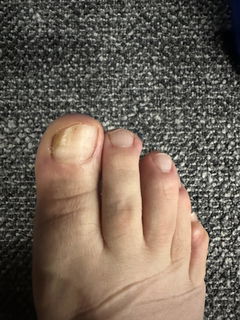
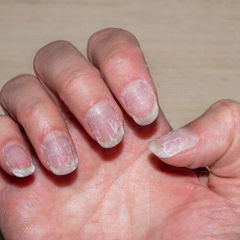
Nail Fungus Treatment
Fast-Acting OTC Solution

Foot Balm | For Soft, Healthy, Crack-Free Feet

Imperial Feet's foot balm range is formulated around clinically proven actives, Urea, Lactic Acid, Lanolin and glycerin alongside natural botanicals that soothe, protect, and nourish. From the Imperial Feet professional foot care range, trusted by pedicurists and podiatrists since 2001.

Shop the Collection
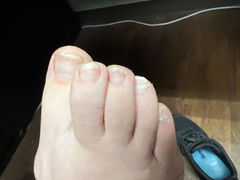
Foot Balm Green - Imperial Feet - Foot care products - Anti Fungal Treatments, B2C, Dry and Cracked Feet
Foot Balm Green
5.0
Regular price €21,97
Urea Foot Balm - Imperial Feet - Foot care products - B2C, Dry and Cracked Feet
Urea Foot Cream
5.0
Regular price €21,97
Fissure Balm - Imperial Feet - Foot care products - B2C, Best seller homepage, Dry and Cracked Feet
Foot Fissure Cream
5.0
Regular price €21,97
Foot Balm Blue - Imperial Feet - Foot care products - B2C, Corns and Calluses, Dry and Cracked Feet
Foot Balm Blue
5.0
Regular price €21,97
Honey Balm - Imperial Feet - Foot care products - B2C, Dry and Cracked Feet, Extra Care
Honey Balm
5.0
Regular price €21,97
Imperial Feet Foot Care Set featuring Foot Soak with Tea Tree Oil, Foot Balm Soft, Foot Balm Blue, and Foot Balm Green – a complete routine for soft, healthy feet

You've viewed 6 of 6 results

What Is Foot Balm and Who Is It For?

A foot balm is a thick, concentrated moisturiser formulated specifically for the skin on your feet, which is unlike skin anywhere else on the body. Foot skin has no oil glands, meaning it cannot self-moisturise. It endures more daily pressure, friction, and mechanical stress than any other part of the body.

Standard body lotions and hand creams are too thin to penetrate properly and too light to repair the level of dryness feet actually develop.

A Good Foot Balm Does Three Things

• Delivers deep hydration
• Repairs the skin barrier damaged by dryness and cracking
• Prevents calluses and fissures from building back up

Shop by Concern | Find the Right Foot Balm for Your Skin

Your Concern Best Product
Daily moisture. Normal to mildly dry skin Foot Balm Green - Aloe Vera + Ginseng, fast-absorbing daily balm
Dry, tired, or cracked feet needing cooling relief Foot Balm Blue - Eucalyptus + Rosemary + Menthol, therapeutic daily balm
Rich nourishment for very dry or rough skin Foot Balm Soft - Honey + nourishing botanicals
Calluses, thickened skin, or severely dry heels Urea Foot Cream - 10% Urea + Lactic Acid, intensive repair
Deep, painful heel fissures Foot Fissure Cream - Lanolin + Zinc Oxide + Petrolatum, clinical-grade fissure healing

For deep heel cracks specifically, see the full Dry and Cracked Heels collection.

Key Ingredients in Imperial Feet Natural Foot Balms

Each formula combines clinically recognised ingredients designed to hydrate, repair, protect, and restore dry, cracked, and tired feet.

Imperial Feet natural foot balm ingredients

Urea

Urea is the gold standard in foot care. A dual-action keratolytic and humectant, it breaks down hardened dead skin cells that form calluses while drawing moisture deep into the skin layers. At 10%, it delivers intensive daily repair while remaining safe enough for regular use.

Lanolin (Wool Fat)

One of the most effective occlusive ingredients for deep skin repair. Lanolin creates a semi-permeable barrier over heel fissures, helping seal cracks while allowing the skin to breathe and regenerate from within. It has been used in medical wound care for decades.

Aloe Vera

Known as a first-aid herb for skin, Aloe Vera provides anti-inflammatory, antimicrobial, and wound-healing benefits. In Foot Balm Green, it helps soothe redness and dryness while supporting the skin's natural repair cycle.

Eucalyptus, Rosemary, Menthol & Camphor

The therapeutic core of Foot Balm Blue. Eucalyptus provides antibacterial and antifungal support, Rosemary helps stimulate circulation, while Menthol and Camphor create an immediate cooling sensation to relieve tired and aching feet.

Zinc Oxide

Used in Foot Fissure Cream, Zinc Oxide provides anti-inflammatory, antibacterial, and wound-healing benefits. Combined with Petrolatum, it creates an occlusive seal that supports deep fissure closure and skin regeneration.

Piroctone Olamine

Present in both Foot Balm Green and Urea Foot Cream, Piroctone Olamine is a broad-spectrum antifungal and antibacterial active. Each application provides daily protection against fungi and bacteria associated with athlete's foot and foot odour.

Foot Balm vs Regular Body Lotion | What's the Difference?

Why Regular Body Lotion Falls Short on Feet

Most body lotions are water-heavy, thin, and designed for skin that can self-moisturise through sebaceous glands. Feet are different. They have no oil glands and experience enormous daily mechanical stress, meaning lotions evaporate too quickly to provide lasting hydration.

This is why dry heels and rough feet often return quickly after using standard moisturisers.

Why Foot Balm Works Better

Foot balm is thicker, more concentrated, and specifically formulated for plantar skin. It combines occlusive ingredients that lock in moisture, keratolytics like Urea that soften hardened skin, and rich emollients that repair a damaged skin barrier.

Unlike regular lotion, a quality foot balm absorbs deeper and keeps feet moisturised for hours rather than minutes.

The Difference You Can Feel

Body lotion on the heel often feels temporary and lightweight. A proper foot balm feels richer, absorbs more slowly, and delivers long-lasting moisture where feet need it most.

For dry, cracked, rough, or callused feet, choosing a product designed specifically for foot skin makes a noticeable difference.

Step 1 - Wash and Dry Your Feet

Clean your feet thoroughly and dry them completely, especially between the toes. Applying balm to damp skin can dilute the formula and reduce how effectively the ingredients work.

Clean, dry skin allows the balm to absorb properly and deliver maximum hydration.

Step 2 - Apply Foot Balm Generously

Apply a small amount to heels and soles, then massage using circular motions until absorbed. For calluses and severely dry areas, apply more generously and focus on the thickened skin.

Daily application helps maintain softness while targeted use supports repair of rough and damaged areas.

Step 3 - Wear Cotton Socks Overnight

For best results, especially with Urea Foot Cream and Foot Fissure Cream, apply balm before bed and wear clean cotton socks overnight. The occlusive effect increases absorption and helps soften skin while you sleep.

Many people notice significantly softer feet after the first night.

How Often Should You Use Foot Balm?

Use foot balm daily for maintenance and prevention. For active dryness, calluses, or heel fissures, apply twice daily for faster improvement.

For the complete cracked heel repair routine including exfoliation and the correct order of products, read our guide:

How to Get Rid of Cracked Heels

Before and After | What to Expect

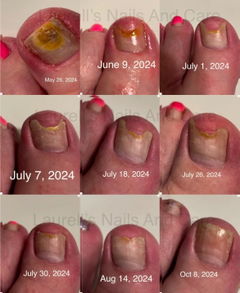
Healthy feet after toenail fungus treatment

Night 1

Feet noticeably softer and less tight after overnight application with cotton socks

Day 3–5

Visible improvement in skin texture on heels and soles. Redness and tightness reduce.

Week 1–2

Mild calluses are significantly softer. Deep fissures beginning to close with Foot Fissure Cream.

Week 2–4

Smooth, hydrated heels with consistent daily use. Severe fissures healed or greatly reduced.

Ongoing

Daily application prevents calluses from rebuilding and maintains the skin barrier long-term.

Who Should Avoid Foot Balm | or Take Extra Care?

Open Wounds or Infected Skin

Do not apply any foot balm directly to open wounds, infected areas, or broken skin. Wait until the skin surface has fully closed before applying moisturising treatments.

Diabetics

All foot balms in this range are suitable for diabetic skin. They are paraben-free, non-toxic, and regularly used by foot care professionals treating diabetic clients.

However, diabetics with active wounds, ulcers, or serious circulation issues should consult a healthcare provider before use.

Pregnancy

Topical application of these balms is generally considered safe during pregnancy. If you have any concerns, check with your midwife or GP before use.

Severe Skin Conditions

Our balms are gentle enough for most people with conditions such as eczema or psoriasis. However, consult a dermatologist if you are unsure whether a specific product is suitable for your skin.

Our Best-Selling Foot Balm | Foot Fissure Cream

For painful, deep heel fissures that standard balms have not resolved, the Foot Fissure Cream is the clinical-grade solution.

Lanolin + Zinc Oxide + Petrolatum form an occlusive wound-care barrier that seals and heals deep cracks from within. Jojoba Oil and Rosemary help restore tissue suppleness and circulation. Piroctone Olamine helps protect open fissures from infection.

Because an open heel crack is an entry point for bacteria and fungi, it requires more than cosmetic moisturising.

Most users see visible improvement within 3–5 days. It is one of the few foot care products designed to address fissures at this level of clinical depth without a prescription.

Foot Balm for Diabetics | Safe Daily Care for Sensitive Feet

Diabetics are at significantly higher risk from foot skin problems. Reduced circulation can slow healing, and damaged skin creates infection entry points that may escalate quickly.

Every foot balm in this range is paraben-free, non-toxic, and used in professional pedicure settings with diabetic clients. The Urea Foot Cream and Foot Fissure Cream are both formulated for diabetic skin.

Daily moisturising with a product your skin tolerates is one of the most effective preventive measures for diabetic foot health and one of the most consistently underused.

Frequently Asked Question

What is the best foot balm for cracked heels?

For mild cracked heels surface-level dryness and early cracks Urea Foot Cream applied nightly with cotton socks delivers results in 3–5 days. For deep, painful fissures that go through the outer skin layer, the Foot Fissure Cream is the more targeted option. Lanolin, Zinc Oxide, and Petrolatum address the fissure as a wound, not just as dryness.

How often should I use foot balm?

At minimum, once daily, ideally before bed with cotton socks. For active dryness, calluses, or heel cracks, apply twice daily (morning and evening) until resolved, then reduce to once daily for maintenance. Consistent daily use is what delivers results; occasional application does very little.

Is foot balm safe to use if I have diabetes?

Yes, every foot balm in this range is paraben-free and suitable for diabetic skin. Daily moisturising is especially important for diabetics, as skin that remains soft and intact is far less likely to crack and create infection pathways. Consult your healthcare provider if you have active wounds or ulcers.

How is foot balm different from foot cream?

In practical terms, the two terms are often used interchangeably. In this range, the Urea Foot Cream uses a lighter emulsion base for faster absorption and daily use; the Foot Balm Green and Foot Balm Blue have a slightly thicker balm texture; and the Foot Fissure Cream is the most occlusive formula designed for targeted fissure healing rather than general moisturising. Choose by your concern, not by the name.

How long before I see results from foot balm?

Skin texture improvement is usually noticeable within 2–3 days of consistent nightly use. Visible healing of heel cracks typically takes 5–14 days depending on severity. Callus reduction with the Urea Foot Cream builds over 2–4 weeks of regular use. For faster results, exfoliate with the Stainless Steel Foot File 1–2 times per week before applying.