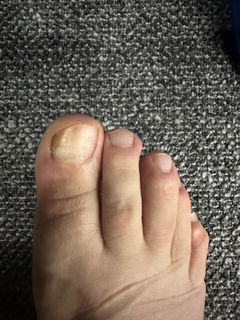
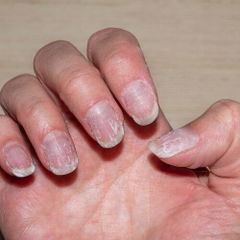
Nail Fungus Treatment
Fast-Acting OTC Solution

Foot File Callus Remover Kits | Professional-Grade Hard Skin Removal at Home

Imperial Feet Stainless Steel foot file is the most direct, most satisfying tool in foot care. Three complete callus care kits bundle the file with a Callus Softener Spray and Urea Foot Balm for complete and best foot care.

Shop athlete's foot treatment set
Imperial Feet stainless steel foot scraper with coarse surface for effective removal of calluses and dead skin.
Fußfeile aus Edelstahl
5.0

★ 5.0 in our shop · 500+ on Amazon

Regulärer Preis €16,68
Imperial Feet Callus Softener with professional foot file for effective callus removal.
Premium-Set zur Hornhautpflege
5.0

★ 5.0 · 3 reviews

Regulärer Preis €30,97
imperial feet callus, callus softener, urea foot balm
Premium Hornhaut-Reparatur-Set XL
5.0

★ 5.0 · 1 reviews

Regulärer Preis €52,97
urea foot balm and steel callus removal
Hornhaut-Heilset
5.0

★ 5.0 · 1 reviews

Regulärer Preis €30,97

Sie haben 4 von 4 Ergebnissen angesehen

Shop by Concern | Foot File vs Full Callus Care Kit

Stainless Steel Foot File

Best for: Just the filing tool. You already have a softener and balm.

Callus Cure Kit

Best for: File + balm. A simple two-step routine.

File + Urea Foot Balm

Premium Callus Repair Kit

Best for: Complete 3-step routine. Softener, file, and balm.

Callus Softener + File + Urea Balm

Premium Callus Repair Kit XL

Best for: Complete 3-step routine with XL quantities.

Callus Softener (150ml) + File + Urea Balm (150ml)
Looking for the full callus removal routine with all individual products? Browse the Callus Removal collection for everything available.

Why Stainless Steel Foot File Better Than Pumice, Glass, or Electric?

Most people start with pumice. Most people eventually switch. Here is why stainless steel consistently outperforms other foot file materials.

Material Durability Hygiene Precision Wet or Dry Use Autoclavable
Stainless Steel Years Non-porous, rinse clean Excellent Both Yes
Pumice Wears down Porous, harbours bacteria Limited Wet only No
Glass Good Good Good Dry preferred No
Electric Good Unterschiedlich Less control Dry only No
  • Pumice absorbs bacteria from the skin into its porous surface.
  • You cannot fully clean it, and over time it becomes a bacterial colony rather than a hygiene tool.
  • Stainless steel has no pores.
  • Rinse under hot water after use and it is clean.
  • Autoclave it between clients in a professional setting and it meets clinical hygiene standards.
The dual-sided design: Coarse for thick calluses and hard skin, fine for smoothing and polishing. It means you get both the heavy lifting and the finishing in one tool.

Kit Comparison Guide | Which Callus Kit Is Right for You?

Stainless Steel File Callus Cure Kit Premium Kit Premium Kit XL
Stainless Steel File ✓ ✓ ✓
Callus Softener Spray ✕ ✕ ✓ 75ml
Urea Foot Balm ✕ ✓ 150ml ✓ 150ml
Best For Already have softener + balm Simple file + balm routine Complete 3-step system
Price Lowest Mid Mid-High
The Premium Callus Repair Kit XL is the most cost-effective for anyone committing to a consistent weekly callus care routine. The 150ml quantities of both the Callus Softener and Urea Balm last significantly longer than standard sizes.

Manual Foot File vs Electric Callus Remover For Feet | What's Better?

This is a common question and the answer depends on what you need.

Electric Callus Remover

Advantages:

Electric callus remover tools are convenient and require less physical effort.

Limitations:

They offer less precision than a manual file, cannot be autoclaved, and most are not suitable for wet use. Quality also varies significantly.

What to watch for:

Cheap electric removers can remove skin unevenly and may create rough patches if they are not used carefully.

Manual Stainless Steel Foot File

More control:

The Imperial Feet Stainless Steel File is harder to use incorrectly. Short, controlled strokes on the coarse side remove callus progressively, so you can feel the resistance and adjust accordingly.

Dual-sided finish:

The fine side polishes the skin to a smooth finish that most electric removers cannot match.

Best overall choice:

For most people, a stainless steel file used correctly after soaking or after applying Callus Softener Spray provides better control and significantly outlasts the average electric remover.

Get Salon-Smooth Pedicure Foot File Without Leaving Home

Professional pedicures deliver results partly because of skill — but mostly because of the right tools used in the right order: warm soak, chemical softener, professional-grade file, and rich urea balm.

The Premium Callus Repair Kit XL replicates that sequence at home in around 20 minutes, 1–2 times per week.

The callus remover for feet in the kit is the same dual-sided, autoclavable stainless steel tool used in professional settings, not a consumer approximation of it.

How to Use a Foot File | Technique, Frequency and Aftercare

Use the right preparation, filing technique, and aftercare to remove hard skin gradually without over-filing.

Dry Use (Fastest)

  1. Apply the Callus Softener Spray to the callused area first.
  2. Wait 30–60 seconds.
  3. Then use the coarse side of the Stainless Steel File in short, controlled strokes across the callus.
  4. Finish with the fine side to smooth.
  5. Apply Urea Foot Balm immediately after.

Wet Use (Deepest)

  1. Soak feet in warm water for 10–15 minutes or use the Cracks & Callus Foot Soak for added keratolytic softening.
  2. File while the skin is still warm and soft.
  3. Then rinse, dry, and apply balm.

Technique

  • Use short strokes in one direction.
  • Do not scrub back and forth aggressively.
  • Work the coarse side across the callus until you feel the resistance reducing.
  • Then switch to the fine side. The goal is smooth, not bare.

Frequency

Use the foot file 1–2 times per week for active callus reduction. Once calluses are controlled, reduce use to once weekly for maintenance.

Never File

Open wounds, bleeding skin, infected areas, or inflamed skin. If the skin is broken or sore, wait until it has fully healed before filing.

Need the complete routine?

For a full step-by-step routine, read our guide: How to Safely Remove Calluses at Home .

Before and After | What to Expect

With consistent filing and proper aftercare, calluses can be reduced progressively while keeping the skin smoother between sessions.

First Session

Callus visibly reduced after one filing session. Skin noticeably smoother immediately. Feet feel lighter.

After 1 Week

The hard skin layer is significantly thinner. Heel texture clearly improved with 2 sessions.

After 2–4 Weeks

Most established calluses significantly reduced or cleared with a consistent 1–2× weekly routine.

Ongoing Maintenance

Once per week filing + daily Urea Balm prevents calluses from rebuilding. Feet stay consistently smooth.

Who Should Take Extra Care With Foot Filing

Foot filing can be effective for managing hard skin and calluses, but some people need to take extra precautions or seek professional guidance.

  • Diabetics: Regular callus removal is especially important for diabetics. Thick calluses create pressure points that can lead to skin breakdown and infection. However, only file with very gentle pressure and never file on broken, infected, or ulcerated skin. Consult your podiatrist or GP before starting any callus removal routine if you have diabetes, neuropathy, or serious circulation issues.
  • Open wounds or cracked skin: Never file open heel fissures or cracked skin that has broken the surface. Use the Foot Fissure Cream or foot balm to heal fissures first, then resume filing once the surface has fully closed.
  • Neuropathy: Reduced sensation means you may not feel when you are filing too aggressively. Use only the fine side of the file and very light pressure if you have reduced sensation in the feet. Professional podiatry is the safer option for active neuropathy.
  • Children: Not recommended for children under 12 without healthcare provider guidance.
Important: If you have diabetes, neuropathy, reduced circulation, or loss of sensation in your feet, speak with a podiatrist or healthcare professional before starting a foot-filing routine.

Häufig gestellte Fragen zu Fußfeilen

Wie oft sollte ich eine Fußfeile verwenden?

1–2 Mal pro Woche zur aktiven Reduzierung von Schwielen. Einmal wöchentlich zur Erhaltung, sobald die Schwielen unter Kontrolle sind. Häufigere Anwendung ist nicht wirksamer und kann die Haut übermäßig dünn machen. Die Haut braucht zwischen den Anwendungen etwas Zeit, um sich zu regenerieren. Tragen Sie unmittelbar nach dem Feilen immer einen feuchtigkeitsspendenden Fußbalsam oder eine Urea-Creme auf.

Sollte ich eine Fußfeile trocken oder nass verwenden?

Beide Methoden funktionieren. Die Anwendung im trockenen Zustand nach dem Callus Softener Spray ist schneller. Der chemische Weichmacher macht das Einweichen überflüssig. Die Anwendung im nassen Zustand nach einem warmen Fußbad oder dem Cracks & Callus Fußbad wirkt tiefer und ist besonders wirksam bei sehr dicken oder lang bestehenden Schwielen. Für die normale wöchentliche Pflege ist die Anwendung im trockenen Zustand mit dem Weichmacher-Spray die bequemere Option.

Ist eine Fußfeile für Diabetiker sicher?

Bei angemessener Vorsicht: Ja. Eine regelmäßige Entfernung von Hühneraugen ist für Diabetiker sogar besonders wichtig, da dicke Hühneraugen Druckstellen verursachen können, die zu Hautschäden führen. Üben Sie nur sehr sanften Druck aus, niemals auf offener Haut, und sprechen Sie vor Beginn mit Ihrem Podologen oder Hausarzt, wenn Sie unter Neuropathie oder schweren Durchblutungsstörungen leiden.

Wie reinige ich eine Fußfeile aus Edelstahl?

Sofort nach dem Gebrauch gründlich unter fließendem warmem Wasser abspülen, um Hautreste zu entfernen. Für eine gründlichere Reinigung mit einer Nagelbürste und Seife schrubben, abspülen und an der Luft trocknen lassen. Für den professionellen Einsatz oder Einsatz im Kosmetikstudio zwischen den Kunden gemäß den Standardprotokollen zur Instrumentensterilisation autoklavieren. Verwenden Sie keine chemischen Desinfektionsmittel, die mit der Zeit Korrosion verursachen können.

Wie unterscheidet sich eine Fußfeile aus Edelstahl von einem Bimsstein?

Bimsstein ist porös. Er nimmt Bakterien und Hautpartikel auf seiner Oberfläche auf und lässt sich nicht vollständig reinigen. Mit der Zeit wird ein Bimsstein unhygienisch. Edelstahl ist porenfrei, hygienisch und behält seine Wirksamkeit dauerhaft. Er ist zudem präziser. Sie können den Druck und den Winkel für eine kontrollierte Entfernung anpassen – eine Genauigkeit, die Bimsstein nicht erreichen kann.

Was sollte ich nach dem Feilen verwenden, um ein Wiederauftreten von Schwielen zu verhindern?

Tragen Sie den Urea-Fußbalsam unmittelbar nach jeder Feilerei auf, solange die Haut noch leicht warm ist. Die Formel mit 10 % Urea spendet Feuchtigkeit und sorgt zwischen den Behandlungen dafür, dass sich verdickte Haut sanft weiter abschürft. So bleibt die durch die Feile erzielte Glätte erhalten und die Neubildung von Hornhaut wird verlangsamt.