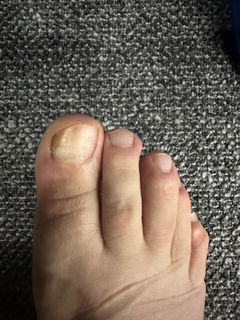
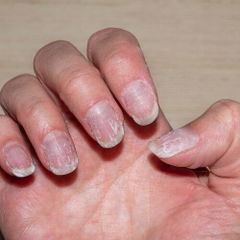
Nail Fungus Treatment
Fast-Acting OTC Solution

Sweaty and Smelly Feet Solutions | And Why They Are Not the Same Problem

With Imperial Feet best foot odor solutions Control the bacteria, control the odour. The smell comes from bacteria specifically Brevibacterium and Staphylococcus epidermidis, which metabolise the sweat and produce the volatile compounds you notice at the end of the day.
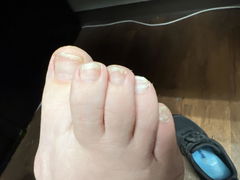
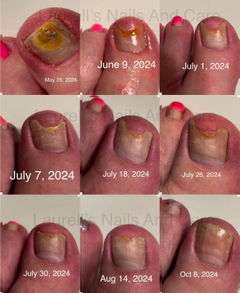
Shop the complete treatment set
foot deo spray and foot balm green
Frische-Füße-Set
Regulärer Preis €32,97
Wellness & Detox Foot Soak XL
Wellness- & Detox-Fußbad XL
Regulärer Preis €19,64
Foot Deo Spray - Imperial Feet - Foot care products - Anti Fungal Treatments, B2C, Extra Care
Fußdeo-Spray
5.0
Regulärer Preis €21,61
Foot Balm Green - Imperial Feet - Foot care products - Anti Fungal Treatments, B2C, Dry and Cracked Feet
Fußbalsam Grün
5.0
Regulärer Preis €21,61

Sie haben 5 von 5 Ergebnissen angesehen

Sweaty Feet vs Smelly Feet vs Athlete's Foot | What's the Difference and What You Need

This is the most common confusion. And it matters because the wrong product will not help.

Sweaty Feet (Hyperhidrosis) Smelly Feet (Bromodosis) Athlete's Foot (Tinea Pedis)
What's actually happening Sweat glands are simply more active than average, producing moisture beyond what thermoregulation needs. Sweat is present, but bacteria (Brevibacterium, Staph) metabolize it into odorous compounds. Fungal infection of the skin, not a sweat or bacteria issue.
How it feels/looks Skin persistently damp, even in cool conditions. Odor without necessarily visible skin changes. Itching, peeling, redness between the toes; can look like damp, macerated skin early on.
The actual fix An antiperspirant for feet, specifically Aluminum Chlorohydrate, which reduces sweat gland output at the source. An antibacterial deodorizer that kills or inhibits the bacteria, not one that just masks it with fragrance. An antifungal treatment, not a deodorizer or antiperspirant.
What won't work Deodorizing without addressing sweat volume itself. Fragrance alone, since it covers the smell without touching the bacteria causing it. Antiperspirant or deodorizer alone, since neither treats a fungal infection.

The Foot Deodorizer Spray addresses all three layers simultaneously: Aluminum Chlorohydrate for sweat, Tea Tree Oil and Piroctone Olamine for bacteria and fungi, and Menthol for immediate cooling freshness.

Shop by Concern | Find the Right Sweaty Foot Odor Solutions

Your Concern Best Product
Daily foot odour and sweat control Foot Deodorizer Spray. 24-hour antiperspirant + deodorizer
End-of-day foot fatigue and odour combined Wellness & Detox Foot Soak. Relaxing detox soak 2–3× per week
Complete morning-to-evening freshness routine Fresh Feet Kit. Foot Deo Spray + Foot Balm Green
Sweat + moisture + daily antifungal protection Fresh Feet Kit. Piroctone Olamine in both products provides daily antifungal coverage

How to Stop Sweaty and Smelly Feet | Sweaty Feet Remedy

A consistent routine can help control excess sweat, reduce odour, keep feet fresh, and support healthier skin throughout the day. Follow this simple morning, evening, and weekly foot-care routine.

Morning — Foot Deodorizer Spray

  1. Start with clean, dry feet. Wash and dry thoroughly, including between toes.
  2. Spray 3–4 times onto soles, between toes, and heels. Hold 10–15cm from skin.
  3. Allow 30–60 seconds to dry before putting on socks or shoes.
  4. Spray 2–3 times inside each shoe for lasting freshness throughout the day.
  5. For heavy sweating, reapply in the evening for full 24-hour coverage.

Evening — Foot Balm Green

Fresh Feet Kit

  1. Wash and dry feet before bed.
  2. Apply Foot Balm Green to heels, soles, and between toes. Massage in gently.
  3. Leave overnight. Ginseng, Aloe Vera, and Piroctone Olamine work while you sleep.

2–3 Times Per Week — Wellness & Detox Foot Soak

  1. Dissolve 1.5–2 tablespoons in 4 litres of warm water.
  2. Soak for 15–20 minutes. Chamomile and detox minerals draw out impurities.
  3. Pat feet dry thoroughly and apply Foot Balm Green while skin is still warm.

Want a Complete Foot Sweat Solution?

For a complete guide including shoe rotation, sock advice and foot sweat solutions, read: Why Do Feet Sweat So Much?

For Gym-Goers, Athletes and Anyone on Their Feet All Day

Athletes and people in physically demanding jobs are the highest-risk group for persistent foot odour and the most underserved by standard deodorant products not designed for feet.

Sports shoes generate more heat and moisture than any other footwear. Communal locker rooms introduce bacterial and fungal exposure. Long shifts in closed shoes mean bacteria have hours to multiply in a warm, damp environment.

The Two-Product Solution

Foot Deodorizer Spray applied before exercise for all-day sweat and bacteria control, and Anti-Fungal Shoe & Sock Spray inside shoes after every session to eliminate what builds up in the shoe itself. Ten seconds of total effort. Significantly better results than anything that only addresses the foot.

Key Ingredients | Why These Products Work Beyond Fragrance

Most foot sprays mask odour with scent. These do not.

Aluminum Chlorohydrate

Clinically proven antiperspirant active. Forms a temporary gel plug in sweat ducts, reducing sweat output at the gland level. They do not cover the result of sweating, but reduce how much happens. The same activity is used in clinical hyperhidrosis management.

Tea Tree Oil (Melaleuca Alternifolia)

Natural antibacterial and antifungal. Kills Brevibacterium and Staphylococcus species. The specific bacteria responsible for foot odour on contact. Provides antifungal coverage as a secondary benefit.

Piroctone Olamine

Broad-spectrum antifungal and antibacterial. Present in both the Foot Deodorizer Spray and the Foot Balm Green in the Fresh Feet Kit, providing all-day and overnight bacterial and fungal protection simultaneously.

Zinc Ricinoleate

Chemically binds and neutralises odour molecules already present on the skin and in footwear. They do not mask them but deactivate them.

Menthol and Eucalyptus

Immediate cooling and refreshing sensation on application. Eucalyptus adds antibacterial coverage. Menthol activates cold receptors. The cooling effect that makes the spray feel instantly effective.

Chamomile + Detox Minerals (Wellness & Detox Soak)

The soak draws out impurities and excess fluid from swollen, tired feet while Chamomile calms inflammation. Not an antiperspirant, but a recovery and detox tool that complements the daily spray routine.

Sock and Shoe Care | The Part Most People Miss

A daily foot spray addresses your skin. But shoes and socks harbour the bacteria that caused the smell in the first place.

01

Socks

Cotton and wool wick moisture away from skin. Synthetic socks hold it against you. Change daily or mid-day if sweating heavily. Wash at 60°C.

Best practice: Choose breathable cotton or wool socks and change them whenever they become noticeably damp.

02

Shoes

Each pair needs 24 hours minimum to dry between wears. Wearing the same pair daily means it never fully dries. Bacterial and fungal load compounds overnight.

Rotate between two pairs. Spray the inside of each pair with the Anti-Fungal Shoe Spray after every wear.

03

Insoles

Replace every 3–6 months. Saturated insoles are the primary source of shoe odour that does not respond to spraying alone.

Do not overlook the insoles. If shoe odour persists despite regular spraying, old saturated insoles may be holding the bacteria and moisture.

04

The Fresh Feet Kit | Better Value Than Buying Separately

The Fresh Feet Kit bundles the Foot Deodorizer Spray and Foot Balm Green at a combined saving versus buying each individually.

Morning: Deo Spray.
Evening: Balm Green.

That is the complete daily routine. Sweat and bacteria controlled in the morning, moisture and antifungal protection maintained overnight. Two steps. Two products. Everything is covered.

What to Expect | Sweaty & Smelly Feet Results Timeline

First Application

Immediate cooling from Menthol. Odour neutralised. 24-hour antiperspirant protection begins.

Day 2–3

Reduced sweating with daily antiperspirant use. Bacterial load decreases consistently.

Week 1–2

Noticeably fresher feet throughout the day. Shoe odour reduces with regular spray use.

Month 1+

Sustained freshness and protection with daily routine. Significant difference in post-activity comfort.

Who Should Take Extra Care With These Products

Most people can use these foot-care products as part of a regular routine, but some situations require extra care or professional advice.

  • Sensitive skin: Patch test the Foot Deodorizer Spray on the inner wrist for 24 hours before first use. The formula is non-toxic and paraben-free, but Aluminum Chlorohydrate and essential oils can occasionally cause irritation on reactive skin.
  • Open cuts or blisters: Do not apply the Deodorizer Spray to broken skin. Allow all cuts and blisters to fully heal before spraying.
  • Diabetics: The Foot Deodorizer Spray and Foot Balm Green are both paraben-free and suitable for daily use on diabetic skin. Consult your healthcare provider if you have active wounds, ulcers, or serious circulation issues.
  • Hyperhidrosis (clinical excessive sweating): The antiperspirant in this spray is appropriate for most everyday hyperhidrosis. For severe cases that do not respond after 4 weeks of daily use, consult a GP. Prescription-strength antiperspirants, iontophoresis, or Botox injections are available treatment options.
  • Pregnancy: Consult your midwife or GP before use during pregnancy.

Häufig gestellte Fragen zu schweißigen und geruchvollen Füßen

Warum schwitzen meine Füße so stark?

Die Füße haben pro Quadratzentimeter mehr Schweißdrüsen als fast jeder andere Körperbereich. Insgesamt 250.000 Drüsen. Das Schwitzen ist ihr wichtigster Mechanismus zur Temperaturregulierung. Wenn die Füße den ganzen Tag in Schuhen eingeschlossen sind, hat der Schweiß keinen Ort, an dem er verdunsten kann. Er sammelt sich an, und Bakterien gedeihen in der warmen, feuchten Umgebung. Für die vollständige wissenschaftliche Erklärung lesen Sie: Warum schwitzen die Füße so stark?

Sind schwitzende Füße dasselbe wie Fußballerkrankheit?

Nein, das sind unterschiedliche Zustände. Schwitzfüße sind eine normale physiologische Reaktion, die bei manchen Menschen stärker ausgeprägt ist und mit Antitranspirantien für die Füße und Deodorantprodukten behandelt wird. Fußpilz ist eine Pilzinfektion, die zu Juckreiz, Hautschuppen und Rötungen zwischen den Zehen führt. Die frühen Stadien können ähnlich aussehen. Beide führen zu feuchter Haut. Aber Fußpilz erfordert eine Behandlung mit Antimykotika, nicht mit einem Deodorant. Wenn Ihre Haut juckt oder schuppt, sehen Sie sich die Extra Care-Kollektion an.

Wie oft sollte ich ein Fußspray verwenden?

Das Fußdeodorant-Spray ist für die tägliche Anwendung am Morgen konzipiert. Einmal täglich ist für die meisten Menschen ausreichend. Bei starkem Schwitzen oder an aktiven Tagen tragen Sie es morgens und abends auf, um einen vollständigen 24-Stunden-Schutz zu gewährleisten. Das Wellness- & Detox-Fußbad wird 2–3 Mal pro Woche als ergänzende Routine verwendet.

Kann sich die Ernährung auf den Fußgeruch auswirken?

Ja. Scharfe Speisen aktivieren die TRPV1-Wärmerezeptoren und lösen die Signalwege für die Schweißbildung aus. Koffein und Alkohol stimulieren das sympathische Nervensystem und erhöhen die Grundschweißproduktion. Dehydrierung führt zu konzentrierterem Schweiß, den Bakterien aktiver verstoffwechseln. Ein Zinkmangel wird mit verstärktem Körpergeruch in Verbindung gebracht. Lesen Sie mehr: Wie die Ernährung helfen kann, Fußpilz vorzubeugen über den ernährungsphysiologischen Aspekt der Fußgesundheit.

Hilft das Fußspray gegen Hyperhidrose?

Ja, das Aluminiumchlorhydrat im Fußdeodorant-Spray wird klinisch zur Behandlung von Hyperhidrose eingesetzt. Es reduziert vorübergehend die Aktivität der Schweißdrüsen, indem es die Ausführung der Drüsengänge teilweise blockiert. Bei den meisten Fällen von übermäßigem Schwitzen der Füße führt eine tägliche Anwendung innerhalb von 1–2 Wochen zu einer spürbaren Verbesserung. Bei schwerer Hyperhidrose, die nicht anspricht, wenden Sie sich bitte an Ihren Hausarzt.