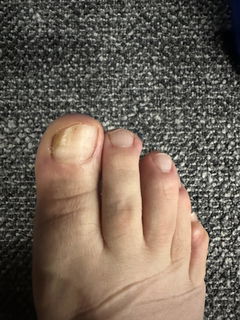
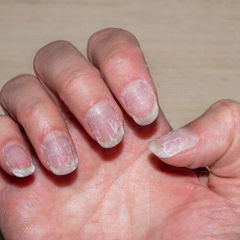
Nail Fungus Treatment
Fast-Acting OTC Solution

Dry & Cracked Heels – Heal Deep Fissures, Restore Soft Skin Naturally

Cracked heels don't happen overnight. Dry skin loses elasticity, keeps taking pressure with every step, and eventually splits usually right at the heel rim, where the skin flexes most and moisturizer reaches least. Most people treat this like a rough-skin problem and reach for a file. That's the wrong tool for the job. A callus is hardened skin from friction; a cracked heel is dehydrated skin that's failed under pressure, and filing it without moisturizing first can make a deep crack worse, not better.

Shop the complete treatment set
Fissure Balm - Imperial Feet - Foot care products - B2C, Best seller homepage, Dry and Cracked Feet
Foot Fissure Cream
5.0
Regular price €21,97
Imperial Feet stainless steel foot scraper with coarse surface for effective removal of calluses and dead skin.
Stainless Steel Foot File
5.0
Regular price €16,97
Imperial Feet Callus Softener with professional foot file for effective callus removal.
Premium Callus Repair Kit
5.0
Regular price €30,97
imperial feet callus, callus softener, urea foot balm
Premium Callus Repair Kit XL
5.0
Regular price €52,97
urea foot balm and steel callus removal
Callus Cure Kit
5.0
Regular price €30,97

You've viewed 5 of 5 results

What Causes Dry & Cracked Heels?

Cracked heels come from lost moisture combined with repeated pressure. The most common causes:

Long Hours Standing

Standing or walking for long hours, especially on hard flooring, places repeated pressure on the heel and encourages dry skin to split.

Open-Backed Shoes

Open-backed shoes or sandals expose the heel to air and friction, increasing moisture loss and repeated mechanical stress.

Cold, Dry Weather

Cold, dry weather pulls moisture out of the skin faster than it can naturally be replaced.

Hot Water Without Moisturizing

Soaking in hot water without moisturizing afterward can strip natural oils and leave heel skin even drier.

Skin & Health Conditions

Conditions like eczema, psoriasis, or diabetes can reduce the skin's natural elasticity and healing speed.

Why Do Heels Actually Crack?

Once the outer skin layer dries out enough, it loses the flexibility to stretch under weight, and it splits. Deeper cracks form when that cycle repeats without any real hydration in between, which is why a cracked heels treatment has to put moisture first, not last.

How Severe Is It | Mild Dryness vs. Deep Painful Fissures

Mild dryness: Flaky, rough skin around the heel rim, maybe faint surface lines, with no real pain when walking barefoot. A consistent dry heels remedy, Foot Balm Blue, applied daily, is usually enough here.

Deep, Painful Fissures

Cracks that go past the surface layer, sometimes deep enough to sting, catch on socks, or bleed. This stage needs a dedicated heel fissure cream, not a general balm. Reach for the Foot Fissure Cream , applied consistently, ideally after gentle exfoliation so it can actually reach the compromised layers underneath.

A simple gut check: If it hurts to walk barefoot on tile or hardwood, treat it as the deep-fissure stage.

How to Choose the Right Cracked Heel Treatment

Your Situation Recommended Products
Mild dryness, flaky skin only Foot Balm Blue, used daily
Deep, painful heel cracks Foot Fissure Cream
Cracks plus thick callus buildup Foot Fissure Cream + Premium Callus Repair Kit
Extremely dry or diabetes-prone skin Foot Fissure Cream + Urea Foot Balm
Full soak-to-moisturize routine Cracks & Callus Foot Soak XL + Foot Fissure Cream

Natural Cracked Heel Treatments | Ingredients That Repair and Protect

What separates a real fissure cream from a standard heel balm isn't the price tag. It's whether the formula is built to repair broken skin or just soften the surface temporarily.

Lanolin & Petrolatum

Form a protective barrier that seals moisture in, which matters because cracked skin loses hydration faster than intact skin does.

Glycerin

Draws water into the skin itself, supporting the deeper repair rather than sitting on top of it.

Zinc Oxide

Soothes skin that's already irritated, raw, or split open.

Rosemary Leaf Oil & Jojoba Seed Oil

Add a nourishing, fast-absorbing finish that won't leave feet greasy inside socks or shoes.

Piroctone Olamine

Helps keep compromised, cracked skin from becoming a breeding ground for bacteria while it heals.

To learn more about how natural botanicals hydrate and soothe dry feet, read our guide on the benefits of Aloe Vera in foot care .

For Extremely Dry, Dehydrated Skin

For extremely dry, dehydrated skin including cases tied to diabetes or psoriasis, a dedicated urea cream for heels, our Urea Foot Balm, is worth layering in. Urea works on thickened, severely dry skin in a way general moisturizing balms don't.

Imperial Feet Products for Cracked Heel Repair

Foot Fissure Cream

The core heel fissure cream treatment. Apply to clean, dry heels twice daily, morning and evening. Massage in fully, and wear cotton socks overnight for enhanced absorption.

Best paired with regular gentle exfoliation.

Urea Foot Balm

For extremely dry or diabetes-prone skin. Use daily, ideally at night, to reinforce hydration between Fissure Cream applications.

Stainless Steel Foot File

For softening the thickened, dry skin around a crack, never for filing directly into an open fissure.

Use the coarse side for rough buildup and the fine side to smooth and finish.

Callus Softener Spray

Spray on before filing to loosen hardened skin around the heel, making exfoliation gentler and more effective.

What Is the Best Cracked Heel Repair? | How to Heal Cracked Heels

If you're dealing with cracking alone, the Foot Fissure Cream used consistently is usually enough on its own.

The key is regular application to clean, dry heels so the formula can maintain hydration while supporting the damaged skin barrier.

When Callus Buildup Is Part of the Problem

If thick, hardened callus buildup is part of the picture too, pairing the treatment with a Callus Repair Kit covers both problems at once. The kit's file and softener handle the hard skin, while the cream handles moisture and repair.

The Premium Callus Repair Kit XL goes a step further with the Urea Foot Balm built in, which is worth it for skin that runs on the very dry side.

Elevate Your Routine | Foot Soak for Cracked Heels

The Cracks & Callus Foot Soak XL with turmeric, Epsom salt, chamomile oil, rosemary, and eucalyptus leaf oil softens hardened skin around a crack before treatment. This helps the Fissure Cream absorb into skin that's already been prepped rather than fighting through a dry, resistant surface.

How to use it: Dissolve 1 to 1.5 tablespoons into warm water, soak feet for 5 to 20 minutes, then dry thoroughly and follow immediately with your Foot Fissure Cream or balm of choice.

How Long Until You See Results?

01

Mild Dryness

Visible improvement in smoothness and flaking within a few days of consistent use.

02

Deep Fissures

Noticeably softer, smoother skin within days, but full closure of a deep crack generally takes a few weeks of twice-daily treatment. New skin has to actually replace the split layer, which takes longer than surface improvement.

Consistency matters: Staying consistent throughout that healing window matters more than how quickly the first visible change shows up.

When to See a Doctor About Cracked Heels

Most cracked heels respond well to consistent home treatment. See a doctor or podiatrist if:

  • You have diabetes or poor circulation.
  • Any break in foot skin needs professional evaluation in that case.
  • A crack is actively bleeding or shows an open sore that isn't closing.
  • You notice redness, warmth, swelling, or discharge.
  • These are signs of infection, not just dryness.
  • Symptoms haven't improved after 3 to 4 weeks of consistent twice-daily care.
For diabetics especially: reduced sensation means damage can progress further than it feels like before it becomes visible. Don't manage a cracked-heel infection without professional guidance.

Frequently Asked Questions About Cracked Heels

What causes cracked heels?

Mostly dry skin combined with pressure. Long hours standing, open-backed shoes, cold weather, and conditions like eczema or diabetes all reduce skin's elasticity and its ability to stretch under weight without splitting.

How long does healing take?

Mild dryness can visibly improve within days of consistent care. Deeper fissures typically take a few weeks of twice-daily treatment before the skin fully closes and toughens back up.

Is it safe to file deep cracks?

Filing works well on the thickened skin around a crack, but avoid filing directly into an open fissure. It irritates already-compromised skin further. Moisturize first, and let the deepest part of the crack heal before exfoliating that exact spot.

Can cracked heels get infected?

Yes. An open crack is a break in the skin's barrier, and bacteria can get in, especially with feet sweating inside socks and shoes all day. Watch for redness, swelling, warmth, or pain that worsens rather than improves, and see a doctor if that happens.

Can I use the Urea Foot Balm if I have diabetes?

It's formulated for very dry feet, including cases related to diabetes and psoriasis, but check with your healthcare provider before starting any new foot routine if you have diabetes, since healing and sensation can both be affected.

Do I need to exfoliate before using the Fissure Cream?

Not required, but it helps. Softening and gently filing the hardened skin around a crack first lets the cream absorb into the layers that actually need it, rather than sitting on a dry outer surface.

Why do heels crack more in winter?

Cold air holds less moisture, indoor heating dries skin out further, and closed shoes worn without socks strip away what hydration remains. All of which is why cracked heels tend to flare up hardest in the colder months. Starting a repair routine before winter fully sets in makes it easier to stay ahead of it.